


-

Add: HeBei ShengShi HongBang Cellulose Technology CO.,LTD.
-

Email
13180486930@163.com -

CONTACT US
+86 13180486930





Xylem Fiber: the quiet workhorse of modern materials When people ask me what’s reshaping composites, asphalt mixes, even paint rheology, I often point to wood cellulose —in this case, Xylem Fiber from HeBei ShengShi HongBang Cellulose Technology CO., LTD. It’s renewable, surprisingly tough for its weight, and (to be honest) underrated outside of specialist circles. Xylem Fiber is produced in Xinji City, Hebei, and the company has been leaning into cleaner production, tighter specs, and yes, faster customization. Market-wise, demand is trending up in sustainable construction, EV interior composites, and stone mastic asphalt (SMA). Many purchasing managers tell me they’re swapping mineral fillers for wood cellulose to cut weight and improve stability. Why it’s hot: three quick trends Binder control in SMA and porous asphalt; lower draindown at equal binder content. Lighter, bio-based fillers for molded parts and building materials. Rheology tuning in waterborne coatings and adhesives with fewer VOC constraints. Key specifications (typical, not absolute) Parameter Xylem Fiber (typ.) Method/Note Fiber length distribution ≈0.2–1.5 mm (D50 ≈0.6 mm) Image analysis; real-world use may vary Diameter ≈10–30 μm Optical microscopy Moisture ≤8% ISO 287 / TAPPI T412 Ash content ≤1.0% TAPPI T211 Bulk density ≈25–60 kg/m³ Loose-fill pH (2% slurry) 6.0–8.0 ISO 6588-1 Thermal stability (onset) ≈230–260°C TGA, nitrogen From tree to fiber: process snapshot Materials: responsibly sourced softwood/hardwood pulp (FSC/PEFC on request). Methods: pulping → refining/fibrillation → classification → drying → baling. QC & testing: moisture (ISO 287), ash (TAPPI T211), fiber size (image analysis), odor/taint (sensory), heavy metals (per REACH screening). Service life: in SMA/asphalt ≈10–15 years (depends on design and climate); in mineral composites similar to host matrix durability. Industries: road building (SMA), coatings, sealants/adhesives, gypsum and cementitious products, polymer/biopolymer composites. Applications, advantages, real feedback SMA/Asphalt: reduces binder draindown (EN 12697-18); field data I’ve seen showed ≈0.35% → 0.08% at equal binder—nice. Coatings: shear-thinning boost and sag resistance with lower VOC; customers say it “feels more forgiving” in application. Mortars/gypsum: enhanced crack resistance and water retention. Composites: lower density, better acoustic damping; yes, sustainable story included. Vendor comparison (snapshot, my notes) Vendor Certs Fiber length control Ash (typ.) Customization Lead time HeBei ShengShi HongBang (Xylem Fiber) ISO 9001/14001; FSC/PEFC on request; REACH Tight (D50 ≈0.6 mm) ≤1.0% Cut, sizing, surface treatment ≈2–4 weeks European A-brand ISO 9001/14001; FSC Very tight ≈0.7–1.2% Wide catalog, some MOQ ≈3–6 weeks Regional supplier Basic QC Variable 1–2% Limited ≈1–3 weeks Customization and real-world cases Customization options include tailored fiber length distributions, hydrophobic or coupling-agent surface treatments, and low-odor grades for coatings. One northern China SMA project I visited cut rutting complaints by ~18% season-over-season after switching to wood cellulose stabilization. A waterborne paint maker told me their KU rose ≈10–15% with the same PVC—hand feel improved, leveling stayed fine. Origin and contact: HeBei ShengShi HongBang Cellulose Technology CO., LTD, Room 1904, Building B, Wanda Office Building, JiaoYu Road, Xinji City, Hebei Province. If you’re benchmarking suppliers for wood cellulose -based solutions, Xylem Fiber is worth a lab trial—ideally side-by-side with your incumbent, same binder and shear history. Small tip: pre-wet the wood cellulose where feasible to improve dispersion. Standards and compliance to reference EN 12697-18 for binder draindown in bituminous mixtures (for your SMA trials). ISO 287 (moisture), TAPPI T211 (ash), ISO 6588-1 (pH) for routine QC. ISO 9001/14001; FSC/PEFC chain-of-custody available on request. Authoritative citations EN 12697-18: Bituminous mixtures—Test methods—Part 18: Binder drainage. ISO 287: Paper and board—Determination of moisture content. TAPPI T211: Ash in wood pulp, paper, and paperboard. FSC Principles & Criteria; FSC-STD-40-004 Chain-of-Custody Certification. ISO 14001: Environmental management systems—Requirements with guidance.
- 40000tons

Production
- 20+years

Experience
- 5000+㎡

Acreage

-
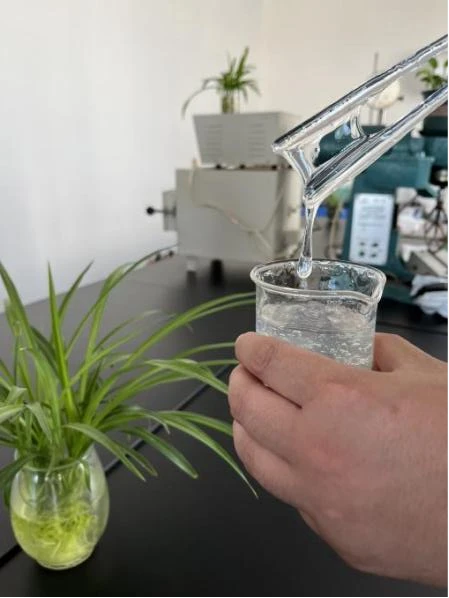
L’idrossipropilmetilcellulosa (HPMC) è un composto polimerico che trova un ampio utilizzo in diversi settori industriali grazie alle sue proprietà uniche. Questo articolo esplora le applicazioni e i benefici dell'HPMC focalizzandosi su come queste caratteristiche siano sfruttate nel mercato italiano e globale. L’HPMC è un etere di cellulosa ampiamente utilizzato nei prodotti farmaceutici, cosmetici e alimentari. Le sue proprietà principali includono la capacità di formare gel idrosolubili, viscosità regolabile, e stabilità termica, tutte caratteristiche che lo rendono un ingrediente versatile in molte formulazioni. Nel settore farmaceutico, l’HPMC è utilizzato prevalentemente come eccipiente nei farmaci a rilascio controllato e come agente di rivestimento per compresse. La sua capacità di regolare la dissoluzione del farmaco lo rende particolarmente utile per garantire l'efficacia terapeutica e migliorare la compliance del paziente. In Italia, l’uso di HPMC nei cosmetici è cresciuto notevolmente , grazie alla tendenza verso prodotti più naturali e sicuri per la pelle. L'HPMC, essendo un derivato della cellulosa, è considerato un ingrediente non tossico e biocompatibile, ideale per formulazioni cosmetiche che richiedono stabilità e texture piacevoli senza l’uso di prodotti chimici aggressivi. Viene impiegato come addensante in creme e lozioni, migliorando la texture senza compromettere l'assorbimento di altri elementi nutritivi nella pelle. Nel campo alimentare, l'HPMC è utilizzato come additivo alimentare (E464) grazie alla sua capacità di formare gel e emulsionare. È spesso impiegato nei prodotti senza glutine per migliorare la consistenza e la durata di conservazione del prodotto. La crescente domanda di prodotti senza glutine e a base vegetale ha spinto molte aziende alimentari italiane a incorporare l’HPMC nelle loro linee di prodotti, rispondendo alle esigenze di un mercato in evoluzione e più consapevole dal punto di vista nutrizionale. HPMC è Una delle aree emergenti dell'impiego di HPMC è nell'industria delle costruzioni, dove è utilizzato come additivo nei cementi e nelle malte per migliorare le proprietà di lavorabilità e adesione. Questo aspetto è particolarmente rilevante in Italia, dove l’industria edile continua a richiedere materiali che possano resistere bene a climi variabili ma che siano anche ecologicamente sostenibili. L’affidabilità e la versatilità dell’HPMC la rendono una scelta preferita in varie applicazioni. Gli esperti del settore riconoscono l'autorità delle sue applicazioni industriali, che sono basate su prove empiriche e su un lungo periodo di utilizzo documentato. La reputazione dell'HPMC come ingrediente sicuro ed efficace è anche sostenuta da istituti di ricerca e normative internazionali, fornendo un ulteriore livello di fiducia e autorità ai produttori che scelgono di utilizzarlo. In conclusione, l’idrossipropilmetilcellulosa rappresenta un ingrediente chiave per molti settori, grazie alla sua versatilità e sicurezza. Le aziende in Italia e nel mondo che adottano l'HPMC come parte delle loro strategie di produzione possono non solo migliorare la qualità dei loro prodotti ma anche rispondere alle crescenti richieste del mercato per opzioni più naturali e sostenibili. L'adattamento e l'innovazione continuano a guidare l'uso dell'HPMC, sottolineando la sua importanza nel panorama industriale moderno.
-
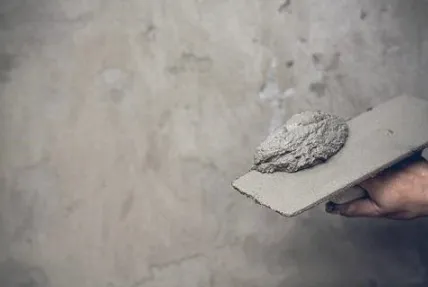
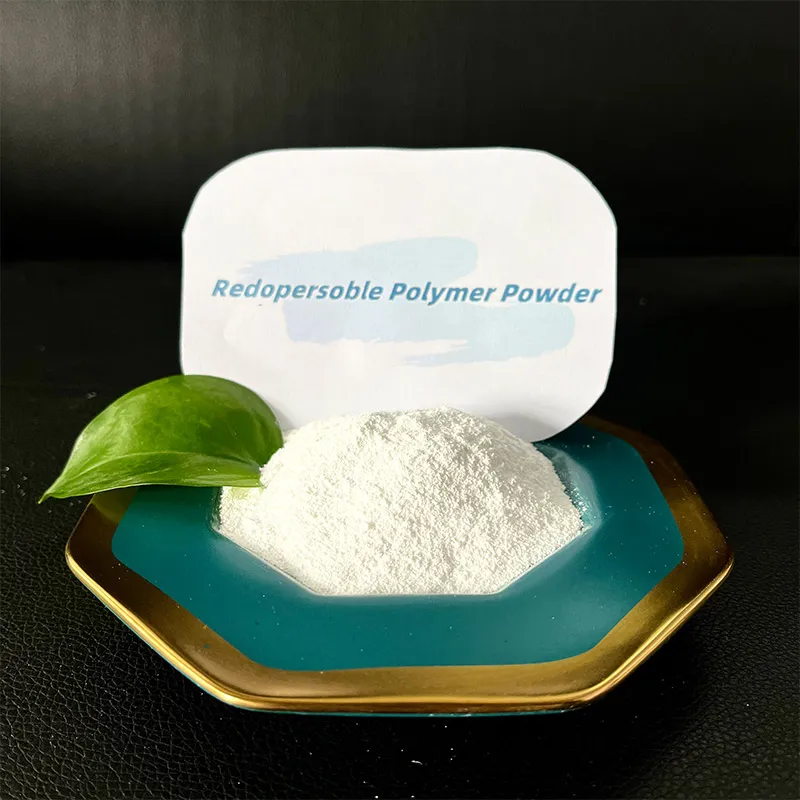
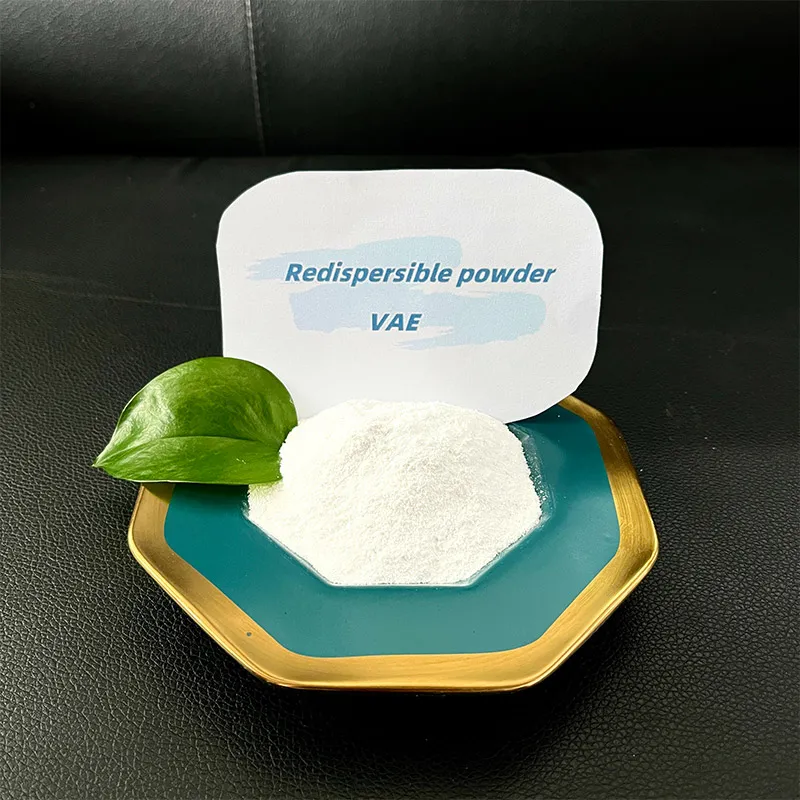
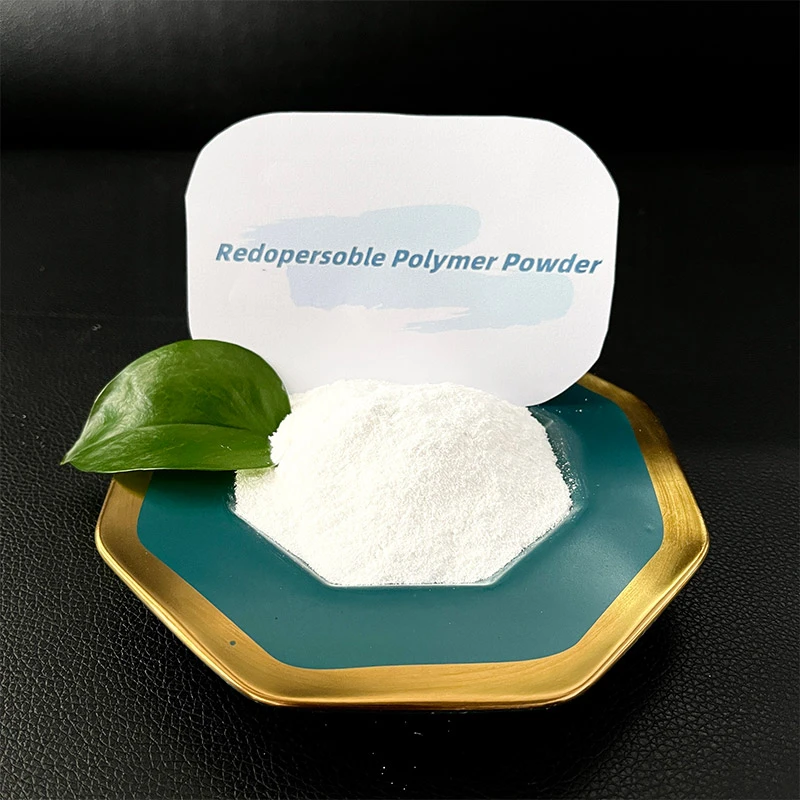
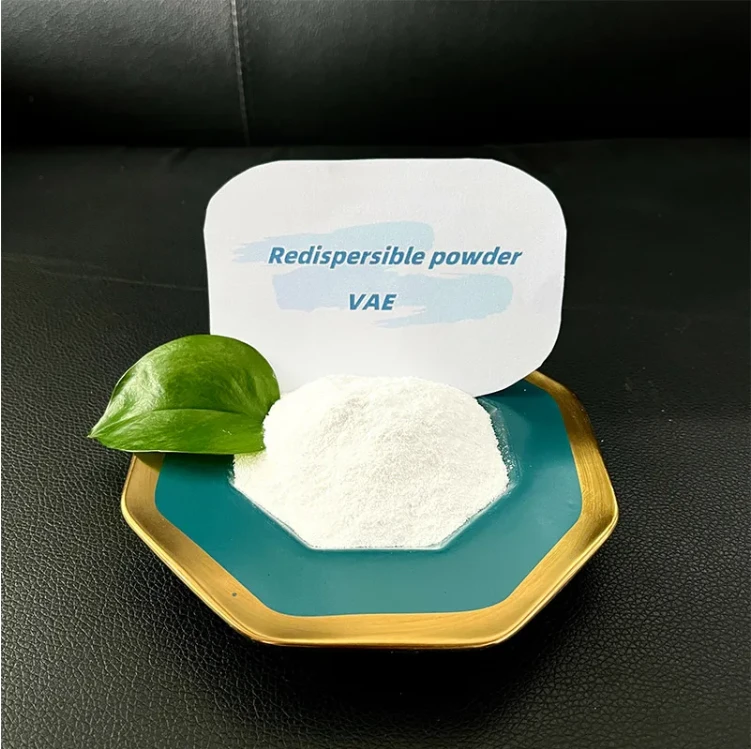
Understanding the Price of Dispersible Polymer Powder Trends and Implications The global market for dispersible polymer powders has seen significant growth over the past few years, driven by various factors including advancements in technology, evolving consumer preferences, and increasing applications across different industries. Dispersible polymer powders are widely used in construction, paints, coatings, adhesives, and even in the cosmetic industry due to their excellent binding properties and ability to create stable emulsions. Understanding the price dynamics of these products is essential for manufacturers, suppliers, and consumers alike. What Are Dispersible Polymer Powders? Dispersible polymer powders are dry powders that can be easily re-dispersed in water to form stable dispersions. They are primarily used to enhance the performance of various formulations in the construction sector, particularly in tile adhesives, mortars, and other construction materials. These polymers improve adhesion, flexibility, and water resistance, making them a vital component in modern construction projects. Factors Influencing the Price of Dispersible Polymer Powder 1. Raw Material Costs The price of dispersible polymer powders is significantly influenced by the cost of raw materials. As oil prices fluctuate, the cost of petroleum-based raw materials can impact production costs for polymer manufacturers. Additionally, the availability of renewable raw materials can also play a crucial role in price determination. . 3. Market Demand The demand for dispersible polymer powders is on the rise due to the increasing construction activities and the growing reliance on high-performance materials. This demand pushes prices upward, especially in regions experiencing rapid urban development. سعر مسحوق البوليمر القابل للتشتت 4. Global Supply Chain Issues Recent global events have highlighted the fragility of supply chains. Disruptions caused by the COVID-19 pandemic, geopolitical tensions, or natural disasters can lead to shortages of raw materials, subsequently increasing prices. These supply chain complexities necessitate careful monitoring and strategic planning by companies involved in the market. 5. Sustainability Trends With an increasing emphasis on sustainability, many companies are investing in producing eco-friendly dispersible polymer powders. While these green alternatives may initially have higher production costs, the long-term benefits and rising consumer demand for sustainable products may justify the higher price point. Current Market Trends As of 2023, the dispersible polymer powder market has experienced moderate growth. Market analysts predict that this trend will continue as developing economies focus on infrastructure development and renovation projects. Moreover, there is a noticeable shift towards higher performance and specialty dispersible polymers, catering to specific applications, which may come at a premium price. Conclusion Understanding the pricing of dispersible polymer powders is crucial for stakeholders across the industry. The interplay of raw material costs, technological advancements, market demand, supply chain dynamics, and sustainability trends shapes the landscape of this market. As the global economy moves forward, it will be important for manufacturers and consumers to remain agile and adapt to these changing trends. For businesses involved in the production or application of dispersible polymer powders, keeping abreast of market trends and pricing dynamics will not only ensure competitiveness but also allow for better strategic planning and investment decisions. Moreover, as sustainability becomes a focal point in various industries, those who invest wisely in eco-friendly alternatives may not only help the environment but also capture a growing segment of environmentally conscious customers.
advantages
-

200000 Viscosities
Excellent product
We can produce pure products up to 200,000 viscosities
-

40000 tons
High yield
We don’t stop production all year round, and the annual output can reach 40,000 tons
-

24 hours
Quality service
We provide 24-hours online reception service, welcome to consult at any time
———— Inquiry Form
Schedule A services
-
 rubber_powder_price_per_ton
Oct . 25, 2025
Hydroxypropyl Methylcellulose (HPMC) has seen a surge in demand across various industries, making th -
 mga_tagagawa_ng_starch_ether
Oct . 25, 2025
Hydroxypropyl methylcellulose, commonly known by its acronym HPMC, stands as one of the most pivotal -
 nylon_fibres_are
Oct . 25, 2025
Understanding Confix PP Fiber A Breakthrough in Material Science In the quest for advanced materials


